
Seoul is a city where centuries-old palaces stand beside modern skyscrapers, quiet traditional neighborhoods lead to busy shopping streets, and you can enjoy Korean barbecue, late-night cafés, and beautiful river views—all in the same day.
With so many neighborhoods, restaurants, markets, museums, and attractions, deciding what to include in your itinerary can feel overwhelming.
Here are 10 must-do things that will help you experience Seoul’s history, food, culture, shopping, and modern city life.
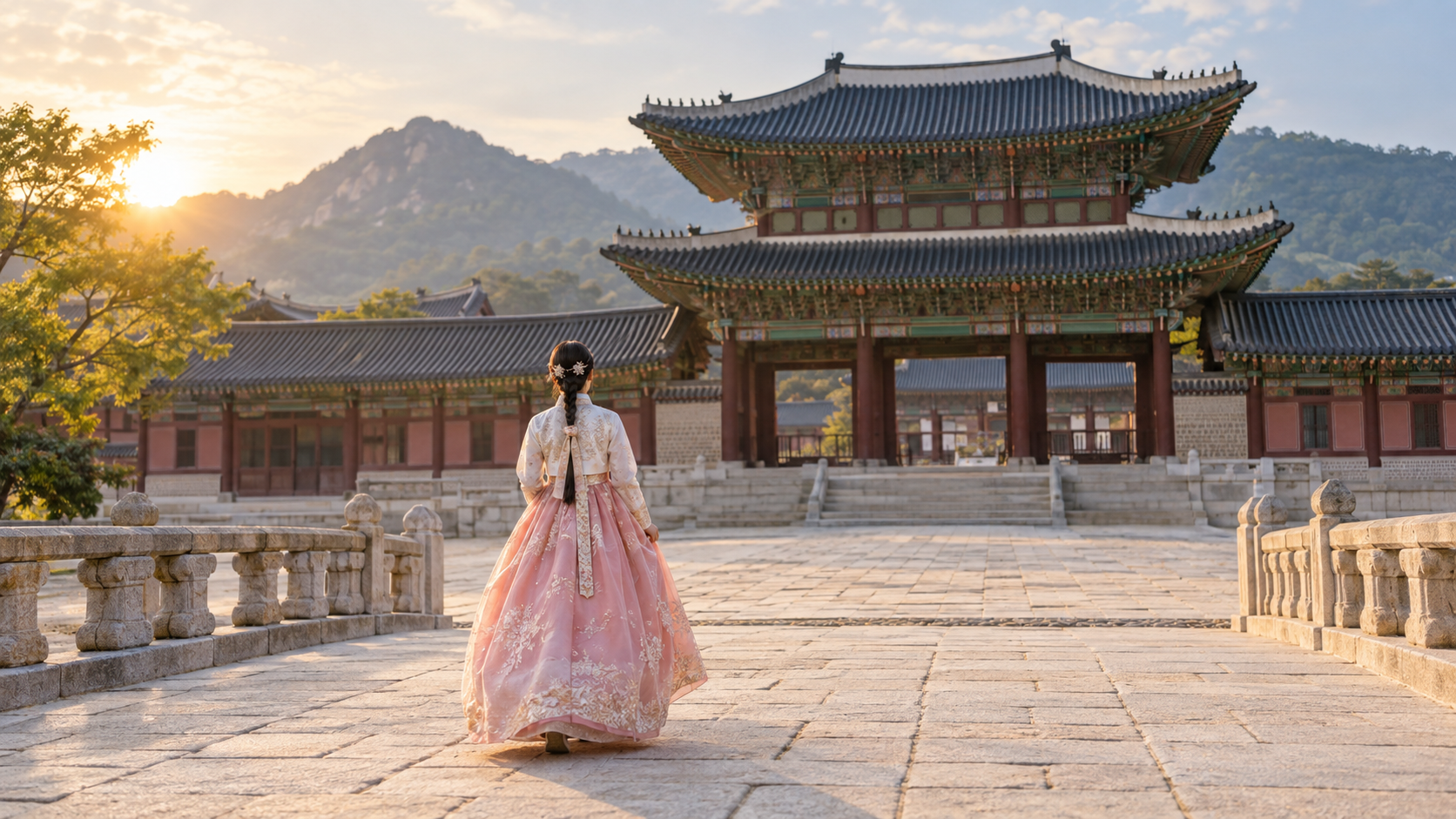
1. Wear a Hanbok at Gyeongbokgung Palace
A visit to Gyeongbokgung Palace is one of the best ways to begin your Seoul experience.
Built during the Joseon Dynasty, Gyeongbokgung is the largest of Seoul’s five royal palaces. Its colorful gates, spacious courtyards, traditional buildings, and mountain backdrop make it one of the city’s most recognizable landmarks.
For a more memorable experience, rent a hanbok—the traditional Korean clothing worn for holidays and special occasions. You will find many hanbok rental shops near the palace offering different styles for men, women, and children.
Visitors wearing hanbok can generally enter Seoul’s major royal palaces for free. More importantly, wearing one allows you to take beautiful photos while experiencing a small part of traditional Korean culture.
If possible, watch the Royal Guard Changing Ceremony near the main entrance. Ceremony schedules may change because of weather or special events, so check the current schedule before visiting.
Tip: Arrive early in the morning to avoid the largest crowds and take better photos.
2. Walk Through Bukchon Hanok Village
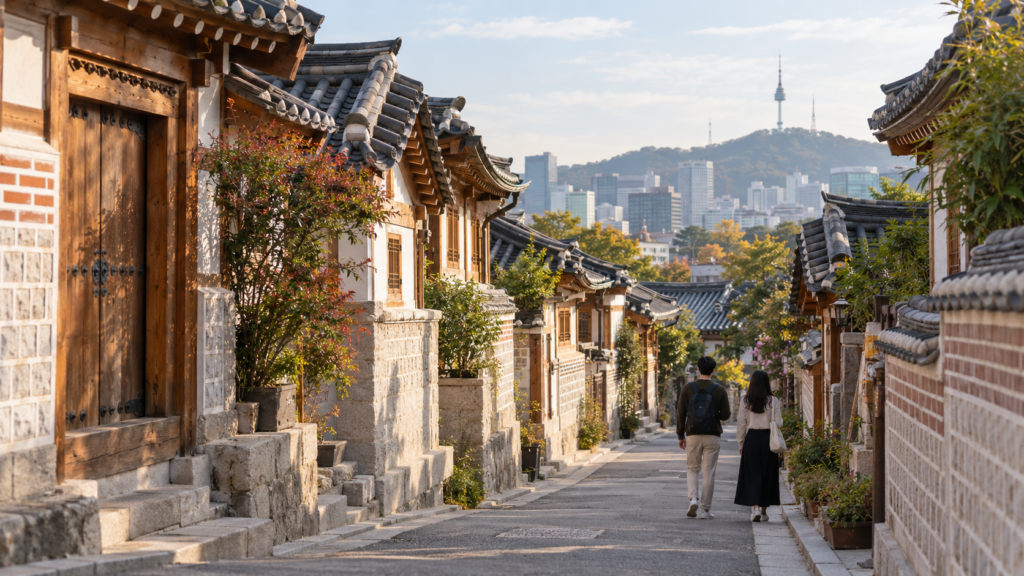
Bukchon Hanok Village is a historic neighborhood filled with traditional Korean houses called hanok.
Located between Gyeongbokgung Palace and Changdeokgung Palace, Bukchon offers narrow streets, tiled rooftops, small galleries, workshops, cafés, and scenic views of traditional and modern Seoul.
However, Bukchon is not simply a tourist attraction. It is also a residential neighborhood where people live.
Visitors should speak quietly, avoid blocking entrances, never enter private property, and follow all posted signs. Access to some residential areas may be restricted during certain hours, so check the current visitor rules before going.
For travelers who prefer a less residential setting, Namsangol Hanok Village is another option where you can see traditional houses without walking through someone’s neighborhood.
Tip: Wear comfortable shoes. Bukchon has hills, stairs, and uneven streets.
3. Eat Korean Barbecue
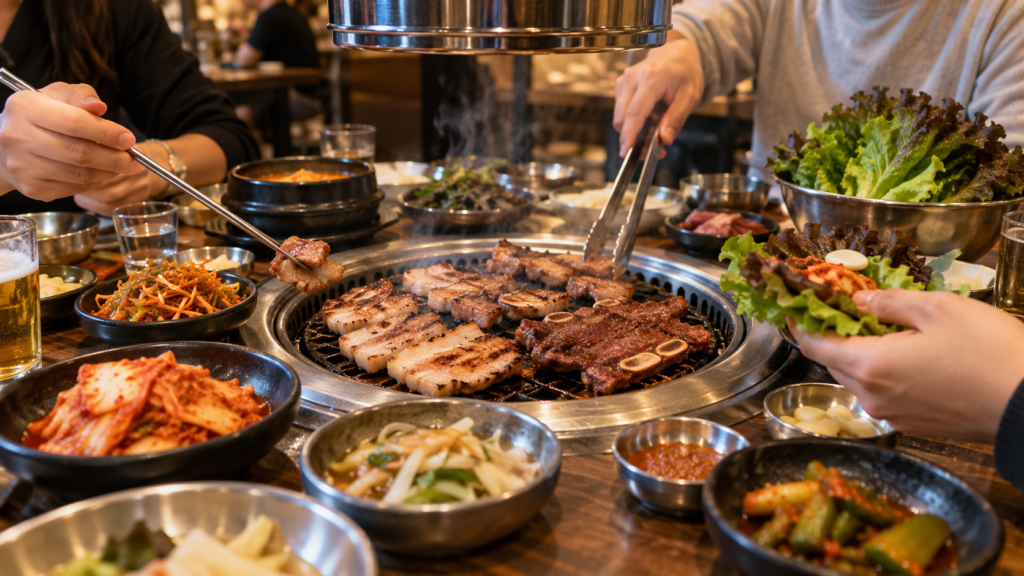
Eating Korean barbecue is more than having a meal—it is a social experience.
At many restaurants, you cook meat directly on a grill at your table and eat it with rice, sauces, vegetables, and small side dishes called banchan.
Popular choices include:
- Samgyeopsal: thick slices of pork belly
- Galbi: marinated beef or pork ribs
- Bulgogi: thinly sliced marinated beef
- Hanwoo: premium Korean beef
Try wrapping the meat in lettuce with garlic, kimchi, sauce, and rice. This type of wrap is called ssam.
Most Korean barbecue restaurants are designed for groups, but an increasing number accept solo diners. If you are traveling alone, look for restaurants offering single-person barbecue or individual grills.
Tip: At many restaurants, your server will help cook the meat. If you are unsure what to do, watch the server before moving or cutting it yourself.
4. Visit a Traditional Market
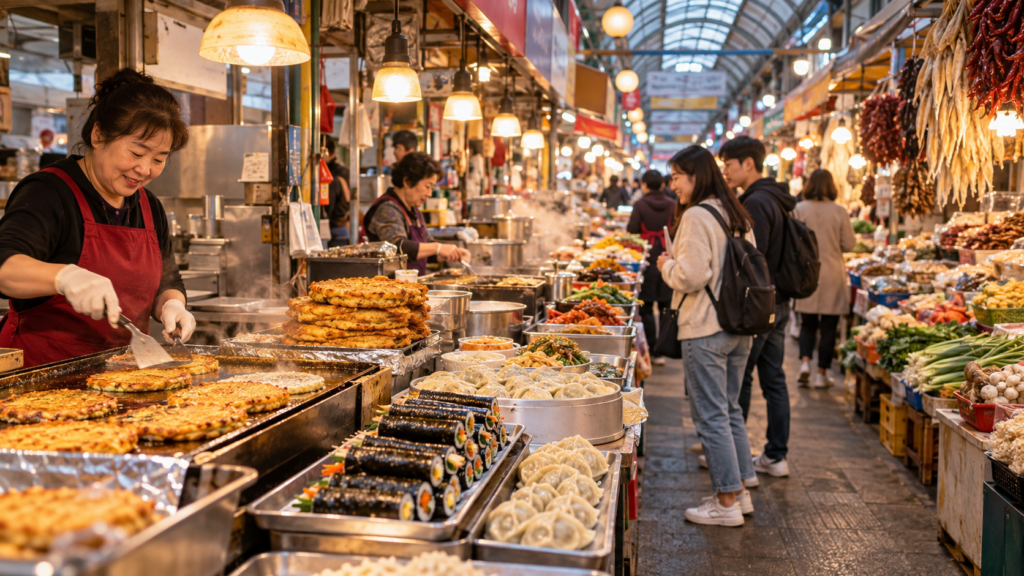
Traditional markets are excellent places to experience Korean food and everyday local life. Each Seoul market has a different atmosphere, so choose one based on what you would like to see and eat.
Gwangjang Market
Gwangjang Market is one of Seoul’s best-known traditional markets and is especially popular for Korean food.
Popular choices include:
- Bindaetteok: crispy mung bean pancakes
- Mayak gimbap: small seaweed rice rolls
- Tteokbokki: rice cakes in a spicy red sauce
- Mandu: Korean dumplings
- Kalguksu: handmade knife-cut noodles
- Yukhoe: Korean-style seasoned raw beef
Gwangjang Market can become extremely crowded, and much of its food area is now oriented toward tourists. Check posted prices before ordering, and do not feel pressured to sit at the first stall you see.
https://www.google.com/maps/search/?api=1&query=Gwangjang+Market+Seoul
Namdaemun Market
Namdaemun Market is one of Seoul’s largest and oldest traditional markets.
It sells clothing, kitchenware, accessories, children’s products, souvenirs, food, and many other goods. The market is also known for its specialized food alleys.
Popular dishes include kalguksu, or knife-cut noodles, and galchi-jorim, a spicy braised cutlassfish dish. Vegetable-filled hotteok is another popular snack in the area.
Namdaemun Market is a good choice if you want to combine Korean food with bargain shopping and souvenir hunting.
https://www.namdaemunmarket.co.kr
Mangwon Market
Mangwon Market has more of a neighborhood-market atmosphere.
Local residents shop here for produce, meat, prepared side dishes, snacks, and everyday groceries. Visitors can also try fried chicken, croquettes, gimbap, tteokbokki, and other affordable foods.
The market is near Mangwon-dong’s cafés and shops, and it can easily be combined with a visit to Hongdae or the Han River.
Gyeongdong Market
Gyeongdong Market offers a different experience from Seoul’s more tourist-oriented markets.
It is especially known for Korean medicinal herbs, ginseng, dried ingredients, produce, seafood, and traditional health products. It is a fascinating place to explore if you are interested in the ingredients used in Korean food and traditional medicine.
Which Seoul Market Should You Visit?
- For famous Korean market food: Gwangjang Market
- For food, shopping, and souvenirs: Namdaemun Market
- For a neighborhood atmosphere: Mangwon Market
- For herbs and traditional ingredients: Gyeongdong Market
You do not need to visit every market. Choose the one that best fits your interests and travel route.
For more information about cash and card payments, read our Do I Need Cash in Korea? guide.
5. Relax by the Han River
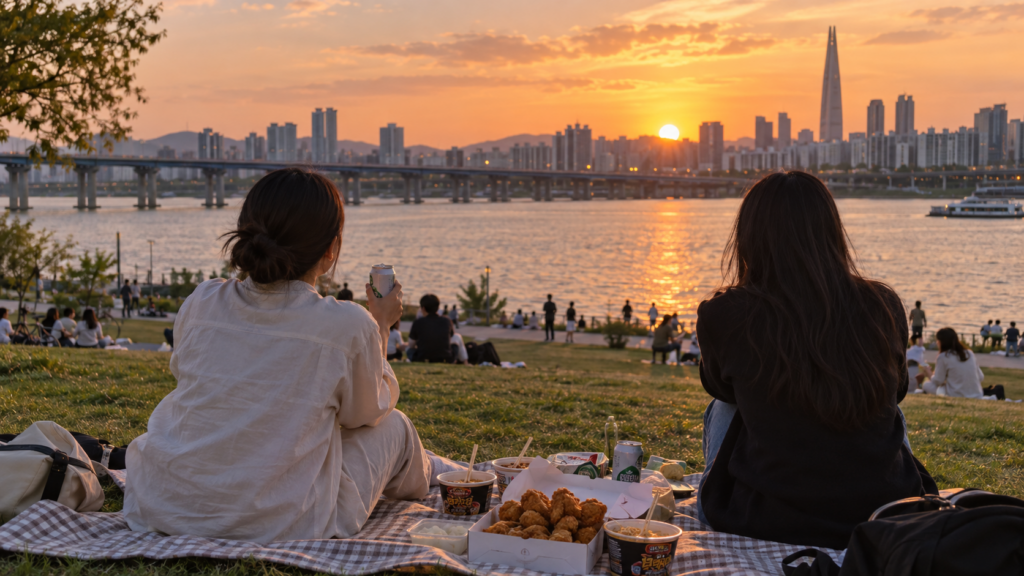
The Han River runs through the center of Seoul and gives the city some of its best open spaces.
Seoul residents visit the river parks to walk, bike, picnic, exercise, and spend time with friends. Instead of rushing from one tourist attraction to another, spend an hour or two relaxing by the water.
Popular parks include:
- Yeouido Hangang Park
- Banpo Hangang Park
- Ttukseom Hangang Park
- Jamwon Hangang Park
One popular local experience is eating fried chicken by the river. You can also buy ramen, snacks, and drinks from a nearby convenience store.
During warmer months, some river parks host concerts, night markets, water activities, and seasonal events. Banpo Bridge’s Rainbow Fountain may also operate seasonally, depending on weather and maintenance schedules.
Tip: Visit shortly before sunset so you can enjoy both daytime river views and Seoul’s evening skyline.
6. Explore One of Seoul’s Trendy Neighborhoods
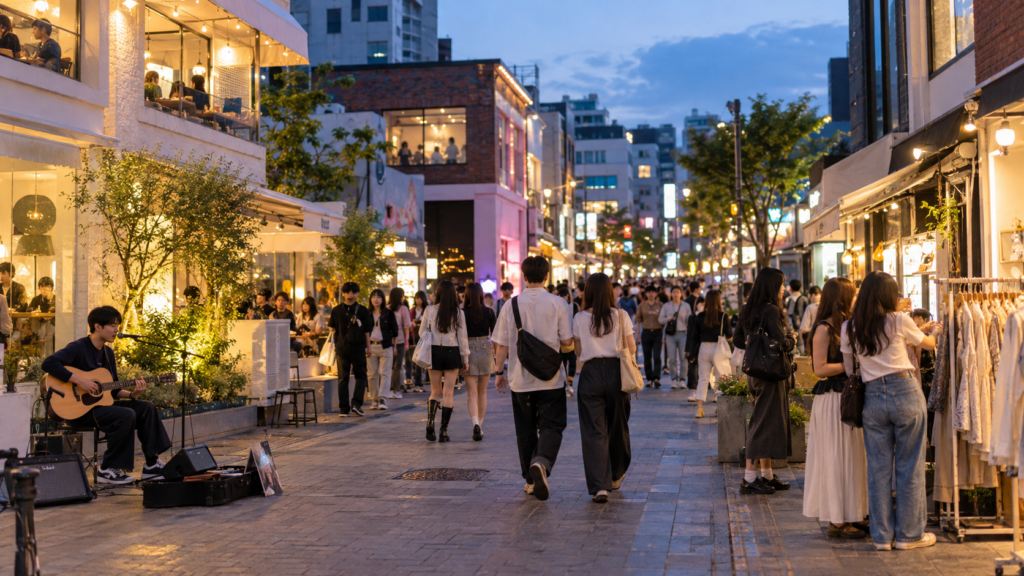
Seoul is not defined by a single downtown area. Each neighborhood has its own atmosphere, and exploring one on foot is one of the best ways to experience the city.
Choose a neighborhood based on your interests.
Seongsu-dong
Sometimes compared to Brooklyn, Seongsu is known for converted industrial buildings, pop-up stores, fashion, cafés, and Korean brands. The neighborhood changes quickly, so there is often something new to see.
Hongdae
Hongdae is energetic and youthful, with shopping, music, restaurants, nightlife, and street performances. It is especially lively in the evening and on weekends.
Ikseon-dong
Ikseon-dong combines narrow alleys and traditional hanok buildings with stylish cafés, restaurants, and small shops. It is visually charming but can become crowded.
Insadong
Insadong is a good choice for traditional crafts, tea houses, art galleries, and Korean souvenirs. It is also easy to combine with Gyeongbokgung Palace or Bukchon Hanok Village.
Tip: Do not try to visit all these neighborhoods in one day. Choose one or two and give yourself time to explore without a strict schedule.
7. Experience Seoul’s Café Culture
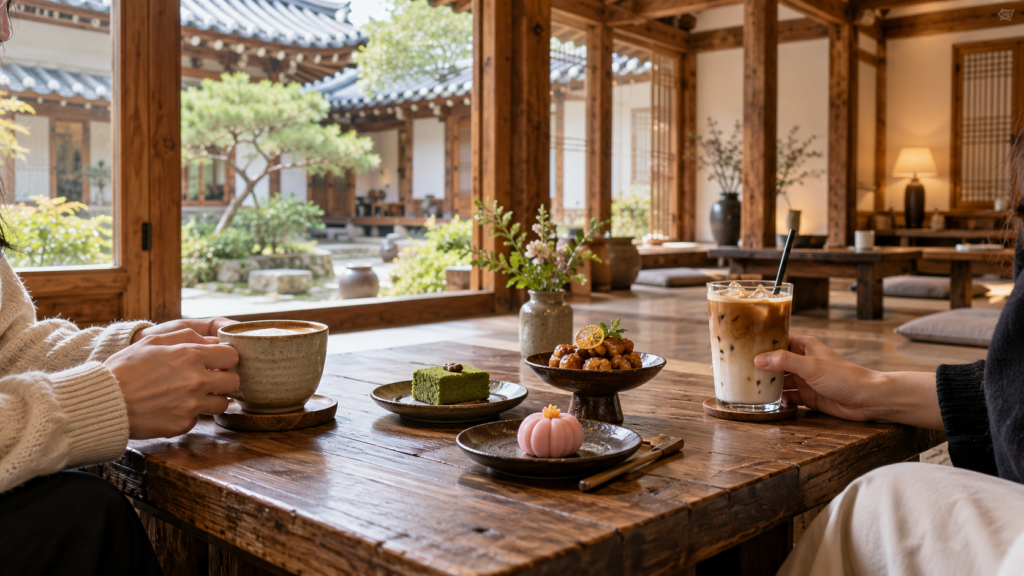
Cafés are a major part of everyday life in Seoul.
You will find everything from small neighborhood coffee shops to large themed cafés, rooftop cafés, dessert cafés, traditional tea houses, and beautifully renovated hanok cafés.
For modern and creative cafés, explore Seongsu, Yeonnam, or Hannam-dong. For a more traditional atmosphere, visit a tea house in Insadong or a hanok café in Ikseon-dong.
Korean cafés often place as much importance on design and presentation as they do on coffee. Some offer elaborate cakes, croissants, shaved-ice desserts, or seasonal drinks that are worth trying.
Keep in mind that the most popular cafés may have long lines, especially on weekends. A café that is famous on social media is not always better than a quieter place nearby.
Tip: Try a Korean-style drink or dessert instead of ordering only your usual coffee. Bingsu, black sesame lattes, mugwort desserts, and seasonal fruit cakes are good options.
8. Shop for Korean Beauty Products in Myeongdong
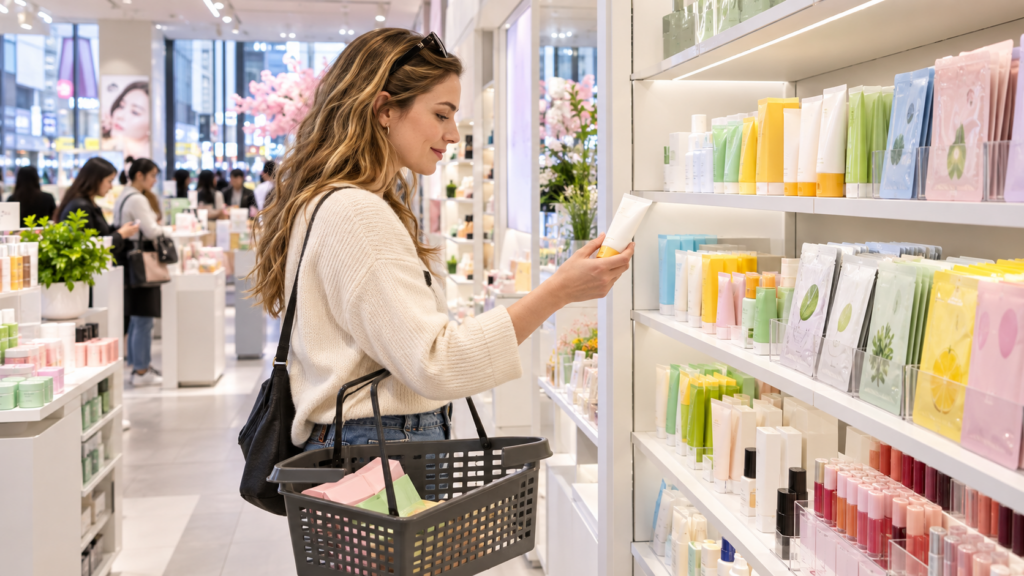
If you are interested in Korean skincare and cosmetics, Myeongdong is one of the easiest places to compare products from multiple brands.
You will find large beauty stores, individual brand shops, department stores, fashion retailers, street-food vendors, and restaurants within a relatively small area.
Olive Young is especially useful because it carries products from many Korean skincare, makeup, haircare, and wellness brands in one place.
Popular items include:
- Sunscreen
- Sheet masks
- Cleansing oils and balms
- Lip tints
- Moisturizers
- Pimple patches
- Hair and scalp products
Do not buy a product only because it is trending online. Choose products based on your skin type and check whether the packaging and instructions are available in English.
If you qualify for a tax refund, keep your passport information and receipts available and ask the store about its current tax-refund process.
Tip: Compare prices before purchasing large quantities. Promotions and product sets can vary between stores.
9. See Seoul from Above
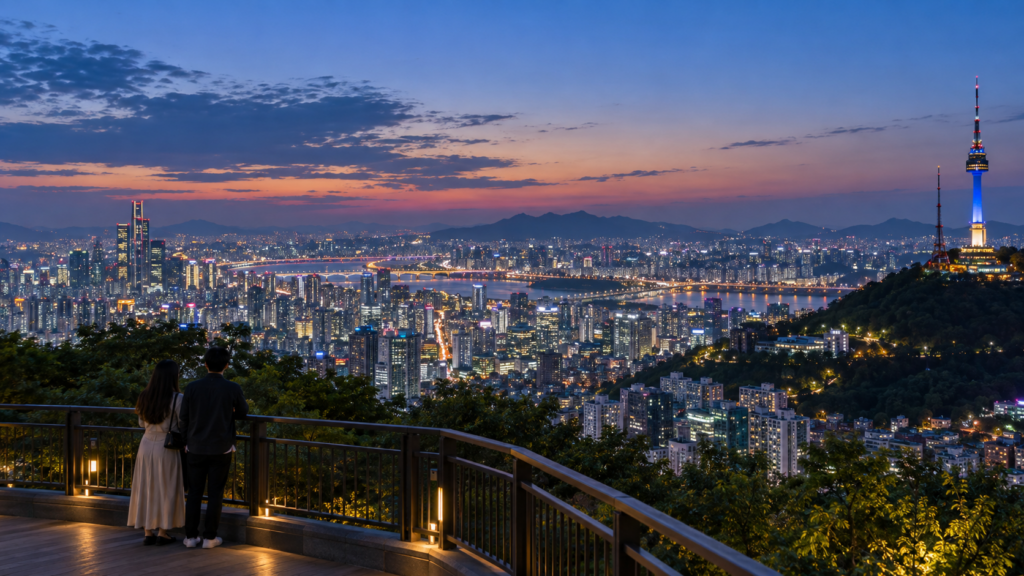
Seoul looks completely different from above, especially after sunset.
N Seoul Tower, located on Namsan Mountain, is one of the city’s classic observation spots. You can reach the area by bus, cable car, or walking trail and enjoy panoramic views of central Seoul.
Seoul Sky, located inside Lotte World Tower in Jamsil, offers a much higher and more modern observation-deck experience. It provides expansive views across the city and the Han River.
You do not necessarily need to pay for an observation deck to enjoy a great view. Seoul also has mountain trails, rooftop cafés, and elevated parks where you can see the skyline.
Choose the experience that fits your schedule:
- N Seoul Tower: A classic Seoul landmark with a mountain setting
- Seoul Sky: A modern skyscraper with higher panoramic views
- Mountain or rooftop viewpoint: A more casual and often less expensive option
Tip: Check the weather and air quality before purchasing a ticket. Visibility can make a major difference.
10. Experience Seoul After Dark
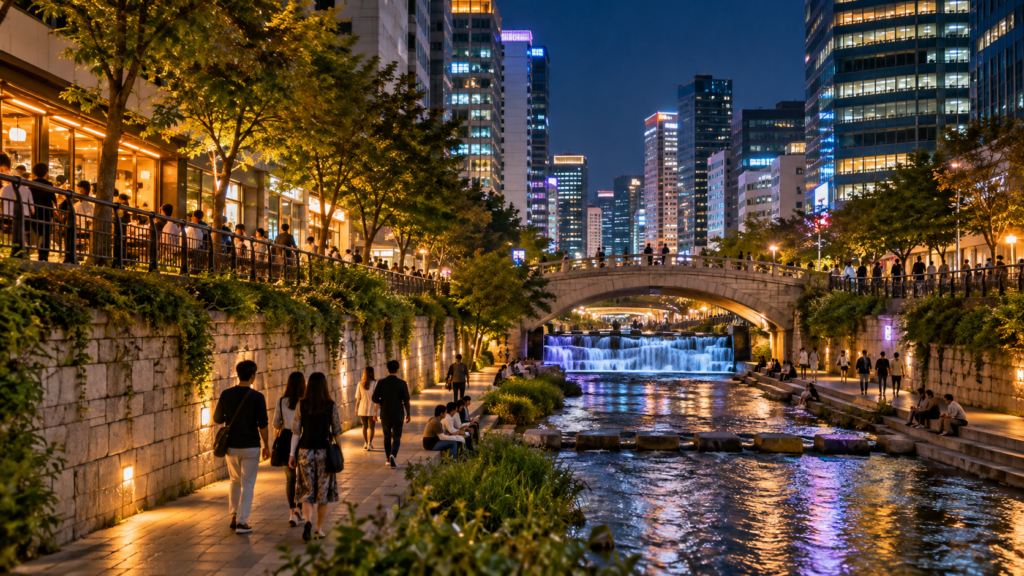
Seoul does not slow down when the sun goes down.
Restaurants, cafés, shopping areas, convenience stores, and entertainment districts often stay active late into the evening. Experiencing the city after dark allows you to see a side of Seoul that you may miss during a daytime sightseeing schedule.
Depending on your travel style, you could:
- Walk along Cheonggyecheon Stream
- See the illuminated city walls and palace areas
- Visit Dongdaemun Design Plaza
- Explore Hongdae’s nightlife
- Take an evening walk by the Han River
- Eat Korean fried chicken
- Visit a late-night café
- Sing at a noraebang, or Korean karaoke room
You do not have to drink alcohol or visit a nightclub to enjoy Seoul at night. A walk through a busy neighborhood followed by a late dinner can be one of the most memorable parts of your trip.
Public transportation is convenient, but subway service does not operate all night. Check the last train time, or be prepared to use a taxi or ride-hailing app to return to your accommodation.
How Many Days Do You Need in Seoul?
Four or five full days will give you enough time to visit historic areas, explore different neighborhoods, try Korean food, shop, and enjoy the city without rushing.
A simple itinerary might look like this:
- Day 1: Gyeongbokgung Palace, Bukchon, and Insadong
- Day 2: A traditional market, Myeongdong, and N Seoul Tower
- Day 3: Seongsu, Seoul Forest, and the Han River
- Day 4: Hongdae, Yeonnam-dong, and evening activities
- Day 5: Shopping, museums, or a day trip outside Seoul
You can adjust the schedule based on the weather, your interests, and where you are staying.
Final Thoughts
Seoul’s biggest appeal is the way it combines tradition and modern life.
You can wear a hanbok at a royal palace in the morning, visit a traditional market for lunch, shop for Korean skincare in the afternoon, eat barbecue for dinner, and finish the night beside the Han River or at a late-night café.
You do not have to complete every activity on this list to have a meaningful trip. Choose the experiences that interest you most, leave some open time in your schedule, and enjoy discovering the city at your own pace.
The famous attractions may bring you to Seoul, but the food, neighborhoods, cafés, markets, and everyday city life are often what you will remember most.